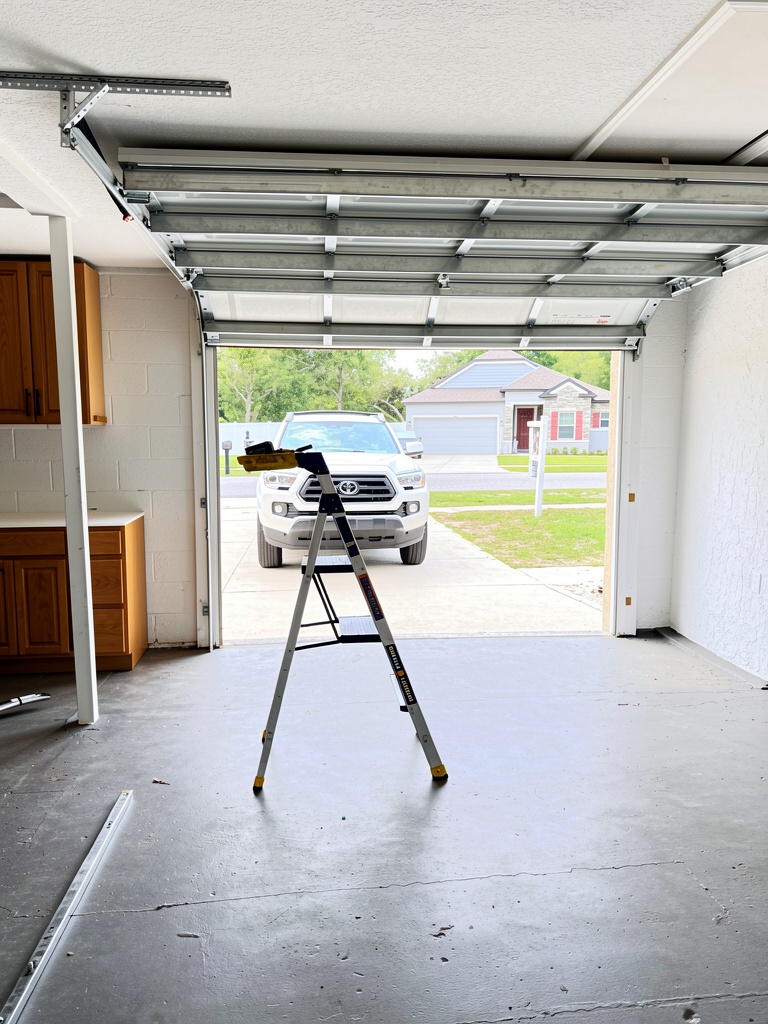
Common Garage Door Issues and Reliable Local Solutions
A garage door problem rarely happens at a convenient time. It sticks halfway open before school drop-off, refuses to close during a summer storm, grinds loudly when everyone is asleep, or leaves your car trapped when you need to leave for work. For homeowners comparing Tampa, FL garage door repair options, the real question is not just who can arrive quickly; it is who can identify the cause, repair the system safely, and help prevent the same issue from coming back.
Most homeowners searching for Tampa, FL garage door repair are trying to solve an immediate household problem. The door may be noisy, heavy, crooked, slow, off track, damaged by weather, or completely unresponsive. A good service visit should turn that stressful moment into a clear plan: inspect the full system, explain what failed, give an upfront repair path, and restore safe movement without unnecessary upsells.
The goal of this Tampa, FL garage door repair guide is to help residential customers understand the most common garage door problems, what each symptom may mean, and when a trained technician should handle the work. Some basic checks are safe for homeowners, but springs, cables, bottom brackets, rollers, tracks, and opener systems can create real safety risks when handled without the right tools and experience.
How Tampa, FL garage door repair solves the most common home problems
A working garage door feels simple until one part fails. The system depends on balanced spring tension, aligned tracks, smooth rollers, strong cables, secure hinges, responsive sensors, and an opener that is matched to the door’s weight and movement. When one component stops doing its job, the problem often spreads. A weak spring strains the opener. A crooked track wears down rollers. Loose hardware creates vibration. Bad weather stripping lets water and pests into the garage. A failing sensor can make the door reverse, stop, or refuse to close.
That is why a problem/solution approach matters. Instead of treating the symptom alone, a technician should look for the cause. The difference is easy to see. Spraying lubricant on a noisy door may quiet it for a few days, but it will not fix a worn roller, loose hinge, unbalanced spring, or bent track. Replacing remote batteries may help if the opener signal is weak, but it will not solve a safety sensor alignment issue or a failing logic board. A complete diagnosis protects the door, the opener, the home, and the people using the garage every day.
For Tampa homes, local conditions also matter. Heat, humidity, heavy rain, salt air in some nearby areas, and storm season can wear down metal parts, seals, tracks, and electronics. The right solution may include a repair, tune-up, opener adjustment, spring replacement, weather seal replacement, or a discussion about wind-rated door options when replacement makes more sense than repeated fixes.
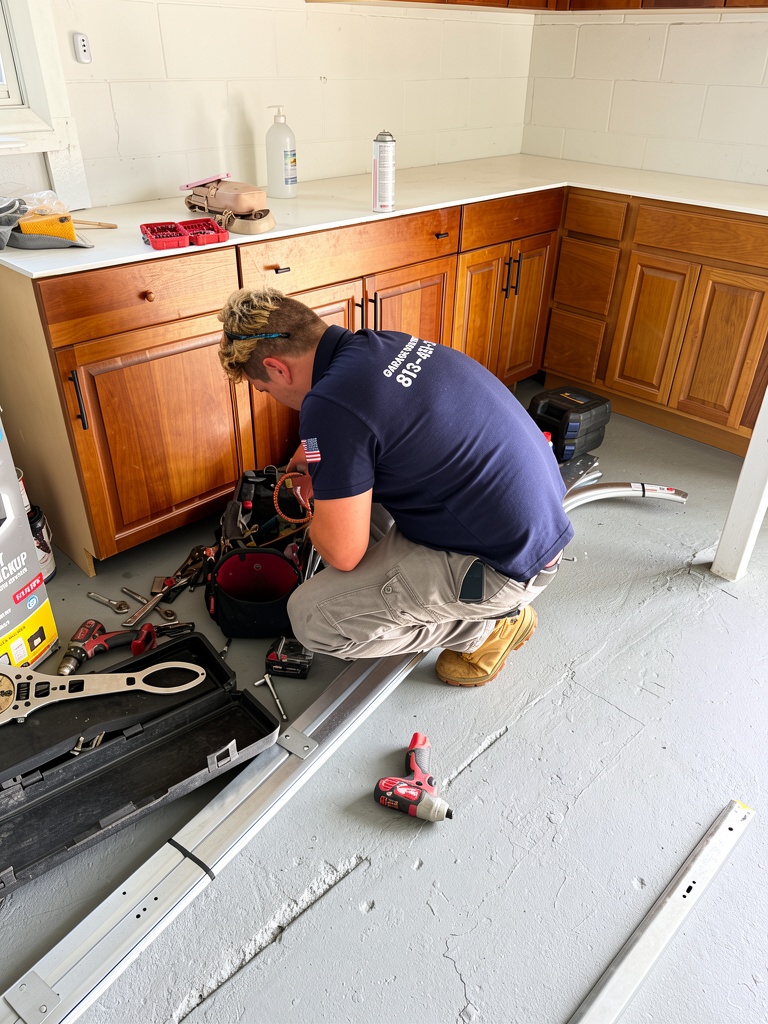
Garage door repair signs homeowners should not ignore
Small symptoms often show up before a major breakdown. A garage door that shakes, squeals, pops, jerks, or slows down is asking for attention. The same is true when the door closes partway and reverses, sits unevenly on the floor, leaves a gap at one side, or feels too heavy when opened manually. These issues may seem minor, but they can point to worn rollers, loose hinges, misaligned tracks, sensor problems, cable wear, or spring fatigue.
One of the clearest warning signs is a door that suddenly feels heavy. Springs are designed to counterbalance the weight of the door. When a spring weakens or breaks, the opener may struggle, hum, or stop. Continuing to run the opener under that load can turn one repair into multiple repairs. It can also create a dangerous situation if the door slams shut or becomes unstable.
Another warning sign is a door that has come off track. Even if it is only slightly crooked, do not force it. Tracks guide the door panels safely through the opening. A roller that leaves the track can twist hardware, bend panels, fray cables, and create a risk of sudden movement. In that case, the safest next step is to stop using the door and schedule service.
Noise also deserves attention. A steady hum may point to an opener issue. Grinding may mean worn gears, metal-on-metal movement, or a track problem. Popping can come from torsion spring movement, loose hardware, or panel stress. Squeaking may be a lubrication issue, but it can also mean the roller bearings are worn. The sound itself is not the diagnosis; it is the clue.
Garage door services that protect daily convenience
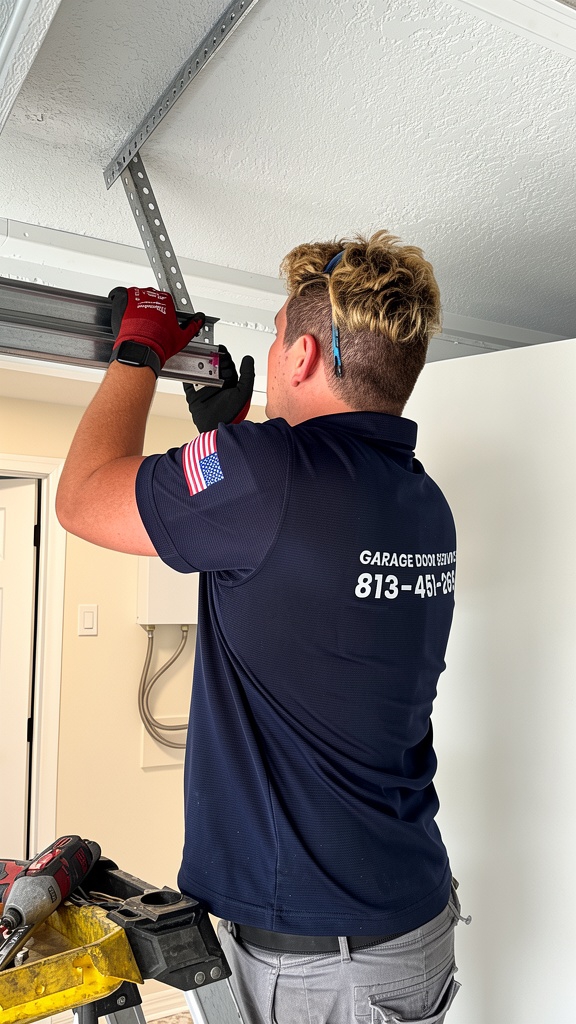
Residential garage door services should cover more than emergency repairs. A useful service plan includes inspection, tune-up, spring repair, opener repair, cable repair, roller replacement, track adjustment, panel repair, weather seal replacement, and full door installation when needed. All Garage Repair lists many of these service areas, including emergency repair, new garage door installation, spring repair, opener services, weather stripping, inspection, and tune-up. (All Garage Repair)
The best service experience starts with listening. A homeowner can describe when the problem began, whether it happens every time, what sound the door makes, and whether the issue changes in rain, heat, or power interruptions. Those details help narrow the cause. Then the technician should inspect the system while the door is stationary and, when safe, during operation.
A strong inspection usually looks at springs, cables, drums, rollers, hinges, brackets, tracks, weather seals, opener force settings, photo eyes, wall controls, remotes, keypad, and door balance. That matters because garage doors are not separate parts working alone. They are systems. A repair that ignores the rest of the system may seem cheaper upfront but can lead to another service call.
For homeowners, the practical benefit is peace of mind. You know whether the issue is urgent, whether the repair can be done that day, whether a part is close to failure, and whether replacement would be a smarter investment. That clarity is especially helpful when the garage is the main entrance to the home.
Broken garage door spring replacement: a high-risk problem
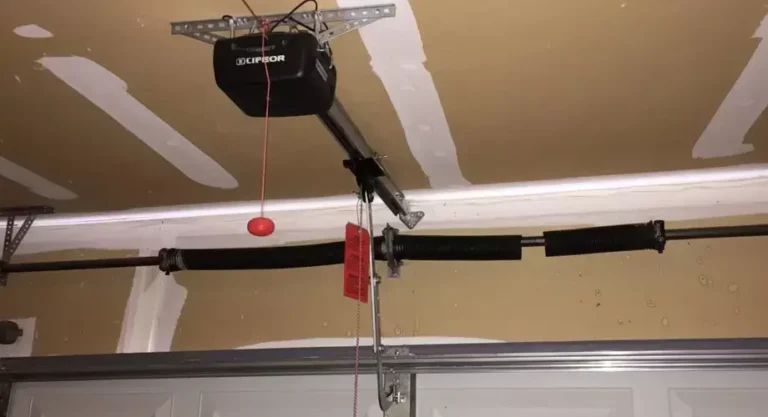
A broken spring is one of the most common reasons a residential door will not open. You may hear a loud bang from the garage, see a visible gap in a torsion spring, notice the door lifting only a few inches, or find that the opener strains but cannot move the door. If the door feels unusually heavy, stop using it.
Broken garage door spring replacement should be handled by a trained technician, not as a casual weekend repair. DASMA explains that extension springs are under high tension when the door is down and that a broken spring can cause injury if it is not properly contained. DASMA also notes that garage door spring color-code information is intended for manufacturers and should not be used by homeowners or maintenance personnel to replace springs. (DASMA)
The solution is not simply installing any spring that fits. Springs must be matched to the door’s weight, height, drum size, and cycle needs. A mismatched spring can make the door too heavy, too light, or uneven, which can strain the opener and create unsafe movement. A professional technician can identify the correct spring setup, inspect related parts, and test the balance after replacement.
A balanced door should lift smoothly and stay in place when tested manually at the right positions. If it falls, rises, or feels unpredictable, the spring system is not doing its job correctly. That is why the final test is as important as the installation itself.
Garage door opener repair for modern Tampa homes
Garage door opener repair is often needed when the door will not respond, reverses unexpectedly, opens by itself, moves slowly, makes a grinding sound, or only works from one control point. The opener is the motorized part of the system, but it should not be forced to carry the full weight of the door. Its job is to guide a properly balanced door, not to replace the counterbalance system.
All Garage Repair states that it repairs, replaces, and installs openers for homes and businesses across Tampa and surrounding areas. The company also lists opener options such as quiet belt drives, chain drives, and smart openers, and says it services major brands including LiftMaster, Chamberlain, Genie, Craftsman, and Linear. (All Garage Repair)
The right repair depends on the symptom. A remote-control issue may be as simple as batteries, programming, or signal interference. A wall-button issue may involve wiring or the control station. A door that reverses may point to sensor misalignment, obstruction, travel limit settings, force settings, or binding in the door itself. A loud opener may have worn gears, a loose chain, a rail issue, or a motor problem.
Safety features matter here. The federal safety standard for automatic residential garage door operators applies to units manufactured on or after January 1, 1993, and UL notes that operators must include entrapment protection mechanisms such as an inherent reversal system and either an electric eye or edge sensor. (eCFR)
For homeowners, the best approach is to test the simple items first: confirm the opener has power, make sure the vacation lock is not engaged, check the remote battery, clear anything near the sensor path, and look for blinking sensor lights. If the door still fails, call for service. Do not keep pressing the opener button when the door is stuck or crooked.
Cables, rollers, tracks, and hinges: small parts with big consequences
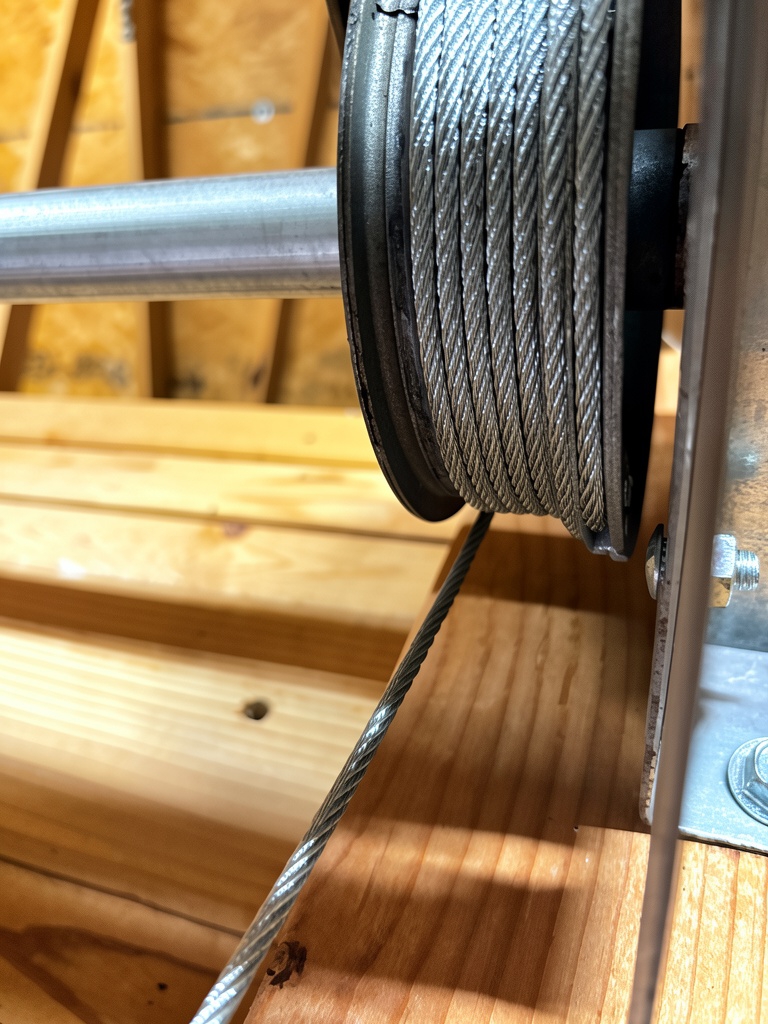
Cables carry major tension and work with springs to move the door safely. When a cable frays, slips, or snaps, the door can become uneven or jammed. This is not a cosmetic issue. A door supported unevenly can twist, damage panels, pull rollers out of the track, or drop suddenly. Never cut, pull, rewind, or loosen a garage door cable without professional training.
Rollers also affect the entire system. Worn rollers can wobble, drag, crack, or lock up. That creates noise and friction. Friction makes the opener work harder. Over time, that strain can damage the opener and cause track wear. Replacing worn rollers can make the door quieter and smoother, but the technician should also check whether the tracks are clean, aligned, and secure.
Tracks guide the door. A bent track may look like a minor dent, but even a small change can keep rollers from moving correctly. Homeowners should not hammer a track back into place while the door is under tension. The safer solution is to have the track alignment checked, the rollers inspected, and the door tested after adjustment.
Hinges connect the sections and help the door bend through the track curve. Loose or cracked hinges create movement in the panels and can lead to larger problems. A tune-up can often catch loose fasteners before they cause a panel or roller issue.
Weather stripping solutions for rain, pests, and humidity
Tampa homeowners deal with heat, humidity, sudden rain, wind-driven debris, and pests. A worn bottom seal or side seal can leave gaps that invite water, dirt, insects, rodents, and hot air into the garage. That can affect stored belongings, flooring, tools, laundry equipment, and rooms connected to the garage.
All Garage Repair offers garage door weather seal replacement and notes that worn or missing weather stripping can let in water, dirt, pests, and drafts while damaging the garage and affecting energy costs. The company also points to benefits such as blocking water and debris, improving energy efficiency, reducing pests, and reducing noise. (All Garage Repair)
The problem is easy to miss because seals wear gradually. A homeowner may notice daylight under the door, water stains near the threshold, leaves inside the garage, or a musty smell after rain. In some cases, the seal is not the only issue. The door may be out of level, the concrete may be uneven, or the bottom retainer may be damaged. Replacing the seal without checking the door fit may leave gaps behind.
The solution is to match the seal to the door and the opening. A good technician can inspect the bottom seal, side stops, top seal, retainer condition, track position, and door level. For many homes, weather stripping is a cost-effective improvement that supports comfort and cleanliness.
When repair is smarter than replacement
Repair makes sense when the door is structurally sound, the panels are not badly damaged, replacement parts are available, and the issue is isolated. Examples include a worn roller, bad sensor, loose hinge, broken spring on an otherwise good door, minor track alignment issue, remote-control problem, or damaged weather seal.
Repair also makes sense when the door still matches the home, operates safely after service, and does not require repeated calls for related problems. A well-maintained door can often keep working reliably after targeted repairs and a tune-up.
The key is honest diagnosis. A homeowner should understand what failed, why it failed, which parts are affected, and what risks remain if only the minimum repair is done. In some cases, repairing the immediate failure and planning future maintenance is a practical choice. In other cases, it may be better to stop spending money on an aging system.
When replacement is the better long-term solution
Replacement may be the better option when the door has severe panel damage, widespread rust, repeated hardware failures, poor insulation, outdated safety features, storm-related damage, or a design that no longer fits the home. Replacement also deserves consideration if the door is heavy, noisy, poorly sealed, or paired with an opener that is no longer reliable.
In Tampa, storm readiness can be part of the replacement conversation. Florida’s building code framework includes structural wind-design provisions for garage doors, and the City of Tampa provides residential permitting resources for home projects. The Florida Building Commission states that the Florida Building Code, 8th Edition, has been effective since December 31, 2023. (ICC Digital Codes)
Homeowners should ask whether a replacement door is appropriate for the opening, exposure, neighborhood requirements, insulation goals, and opener setup. A new door can improve curb appeal, reliability, sealing, and daily use, but it should be installed correctly and in line with applicable local requirements.
All Garage Repair states that it specializes in custom-fit garage door solutions that combine performance, durability, and design. For homeowners who are tired of recurring issues, that combination can be more valuable than another temporary fix. (All Garage Repair)
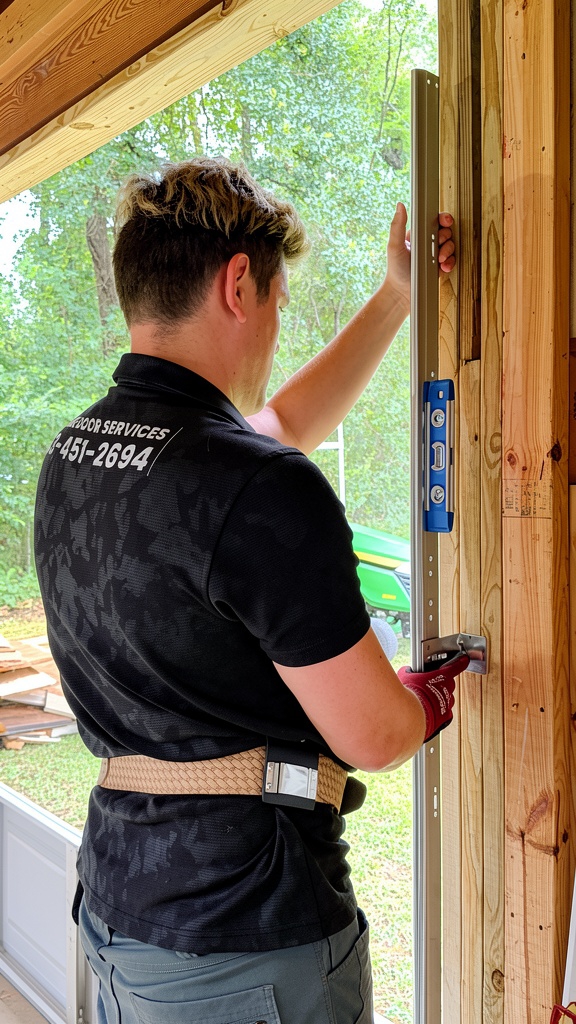
A safe homeowner checklist before calling for service
A few basic checks are reasonable before scheduling service, as long as the door is not crooked, hanging, off track, supported by a broken spring, or stuck under tension.
First, check the opener power. Make sure the unit is plugged in and the breaker has not tripped. Second, check the remote batteries and wall control. Third, inspect the photo eyes near the bottom of the tracks. Clear leaves, boxes, bikes, tools, or anything else blocking the sensor path. Fourth, look for obvious damage from a safe distance: broken spring gap, frayed cable, loose hinge, bent track, or roller out of place.
Do not try to lift a heavy door by yourself. Do not loosen spring hardware. Do not remove bottom brackets. Do not pull cables. Do not force the opener when the door is stuck. Do not keep operating a door that is crooked or making loud popping sounds.
The International Door Association says homeowners can perform some safety and maintenance tasks themselves, but if they are not comfortable, they should hire a trained service technician. That is a practical rule for any garage door system: simple observation is fine; high-tension repair is not. (Doors)
What to expect from All Garage Repair
All Garage Repair serves Tampa homeowners with repair, replacement, opener, weather stripping, inspection, tune-up, and emergency service options. The company describes itself as focused on fast, reliable repairs, same-day service availability, licensed and insured professionals, and no-surprise upfront pricing. It also lists emergency service across Tampa and surrounding areas, including Brandon, Riverview, Wesley Chapel, Valrico, and nearby neighborhoods. (All Garage Repair)
For a residential customer, that means one company can help with the most common door problems: a stuck door, broken spring, opener failure, noisy movement, poor sealing, routine wear, or a door that needs replacement. This is helpful because many garage door problems overlap. The symptom may seem like an opener issue, but the real problem may be balance. The symptom may seem like a bad seal, but the real problem may be door alignment.
A good visit should include a diagnosis, explanation, repair options, and a clear price before work begins. Homeowners should feel comfortable asking what caused the problem, what parts are being replaced, whether the door is balanced, and what can be done to reduce future breakdowns.
To schedule service, homeowners can use the All Garage Repair website or call the number listed on the site. The best time to request help is before a small symptom becomes an emergency, but emergency availability matters when the door is stuck open, stuck closed, or creating a safety concern.
Preventive maintenance that reduces surprise breakdowns
Preventive maintenance is not complicated, but it needs to be consistent. A residential garage door may open and close several times a day. Over months and years, vibration loosens hardware, rollers wear, tracks collect debris, seals harden, and opener settings may need adjustment.
A seasonal homeowner routine can include listening to the door, keeping the track area clear, looking for frayed cables, checking weather seal condition, and confirming that sensor lights are aligned. Homeowners can also keep stored items away from the sensor path and avoid hanging objects from tracks or opener rails.
A professional tune-up goes further. The technician can tighten hardware, inspect spring balance, check cable condition, examine rollers and hinges, test opener settings, inspect photo eyes, lubricate appropriate moving parts, and identify parts that are close to failure. All Garage Repair promotes garage door inspection and tune-up service, noting that daily use causes wear and tear that can lead to unexpected breakdowns, safety issues, or costly repairs if left unchecked. (All Garage Repair)
Maintenance is especially useful before storm season, before travel, after a door impact, or when buying a home. A working door today can still have hidden wear that becomes a problem tomorrow. A tune-up gives homeowners a clearer picture.
Cost clarity: why upfront pricing matters
Garage door problems create pressure. When a car is trapped or the door will not close, homeowners may feel rushed. That is why transparent pricing is part of a good repair experience. The technician should diagnose the issue, explain the repair, list the parts involved, and get approval before starting. All Garage Repair states that repair cost depends on the type of repair and parts needed, and that it provides upfront pricing before work begins. (All Garage Repair)
Cost can vary based on the failed part, door size, spring type, opener model, cable condition, track damage, panel availability, and whether the work is urgent. A simple sensor alignment is not the same as replacing a pair of springs, repairing cables, and correcting track alignment. A full replacement is a different project than a tune-up.
The lowest quote is not always the lowest cost over time. A repair that skips balance testing, uses mismatched parts, ignores worn cables, or fails to correct alignment can lead to repeated calls. Homeowners should look for clear communication, not pressure.
Local problem/solution examples
Problem: The door closes halfway and reverses. Likely causes include blocked or misaligned photo eyes, incorrect travel limits, obstruction, track binding, or opener force settings. The solution is to clear the sensor path, check basic alignment, and schedule service if the issue continues.
Problem: The opener runs, but the door does not move. Possible causes include a disengaged trolley, broken spring, stripped opener gear, snapped cable, or door binding. The solution is to avoid forcing the opener and have the system inspected.
Problem: The door is loud and shaky. Possible causes include worn rollers, loose hinges, dry moving parts, bent track, or poor balance. The solution is a full inspection and tune-up, with parts replaced if needed.
Problem: Water comes under the door after rain. Possible causes include a worn bottom seal, uneven concrete, poor door level, damaged retainer, or missing side seals. The solution is weather stripping replacement and a fit check.
Problem: The door is stuck open at night. This is a security and safety concern. The solution is emergency service, especially if the spring, cable, or track appears damaged.
Problem: The door looks fine but feels heavy manually. This often points to spring balance issues. The solution is professional spring inspection and adjustment or replacement.
Suggested outbound links for authority
For a published blog, link to authoritative, non-competing resources that help homeowners understand safety and standards. Good options include the International Door Association’s homeowner care and maintenance guidance, DASMA’s garage door safety tips, the federal eCFR page for automatic residential garage door operator safety, and UL’s explanation of automatic garage door standards. These sources support homeowner education without competing directly for local Tampa service leads. (Doors)
FAQ
How fast should I schedule service if my door is stuck?
Schedule service right away if the door is stuck open, stuck closed with a car inside, crooked, off track, hanging unevenly, or making loud popping sounds. A stuck-open door affects security, while a crooked or heavy door may involve springs or cables.
Can I repair a broken spring myself?
No. Spring systems are under high tension and can cause serious injury when handled incorrectly. A trained technician should replace the spring, inspect related parts, and test door balance after the repair.
Why does my garage door keep reversing?
Common causes include blocked sensors, misaligned photo eyes, opener setting issues, track binding, or an obstruction. Clear the sensor path first. If the problem continues, schedule diagnosis.
Should I repair or replace my opener?
Repair may be enough when the issue is limited to controls, sensors, gears, wiring, or settings. Replacement may be better when the opener is old, unreliable, noisy, missing modern safety features, or poorly matched to the door.
How often should a residential door be inspected?
A visual homeowner check can be done regularly, and a professional tune-up is useful when the door becomes noisy, slow, uneven, heavily used, recently impacted, or before storm season.
A safer, smoother garage door starts with the right diagnosis
A garage door is one of the hardest-working systems in a home. When it fails, the problem affects security, schedules, storage, vehicles, and daily comfort. The best solution is not guesswork. It is a careful inspection, a clear explanation, the right repair, and maintenance advice that helps prevent the next breakdown.
For Tampa homeowners, All Garage Repair offers a local service path built around practical needs: same-day availability, emergency help, opener repair, spring repair, weather stripping, tune-ups, installation, and upfront pricing. When your door starts showing symptoms, treat them as early warnings. A quick service call today can prevent a stuck door, damaged opener, or unsafe failure tomorrow.