What’s Hiding Inside Your Garage Door Springs?
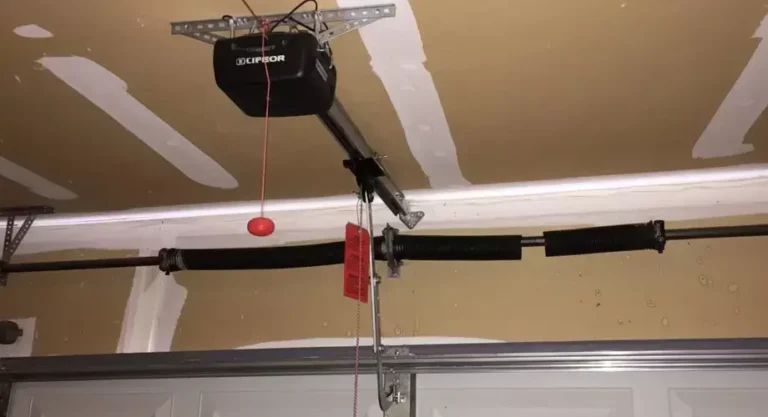
If your garage door uses extension springs (those long coils mounted horizontally above the tracks), there’s a good chance you have a thin steel cable running right through the middle of each spring. That’s your safety cable—and it might just be the most important part of your garage door system you never knew existed.
Think of it like a seatbelt for your garage door. You hope you never need it, but if something goes wrong, you’ll be incredibly grateful it’s there.
Why Do Extension Springs Need Safety Cables?
Extension springs are under extreme tension when your garage door is closed. They’re stretched tight to help lift a door that can weigh hundreds of pounds. That stored energy is what makes your door feel light enough to lift by hand or with an opener.
But here’s the catch: springs wear out over time. Metal fatigue is a guarantee, not a possibility. And when an extension spring finally breaks, all that stored energy is released instantly and violently.
Without a safety cable threaded through the spring, the broken pieces can become dangerous projectiles—capable of causing serious injury, damaging your car, or even punching holes in your garage walls. That’s why safety cables are mandatory in some states like California.
How Safety Cables Actually Work
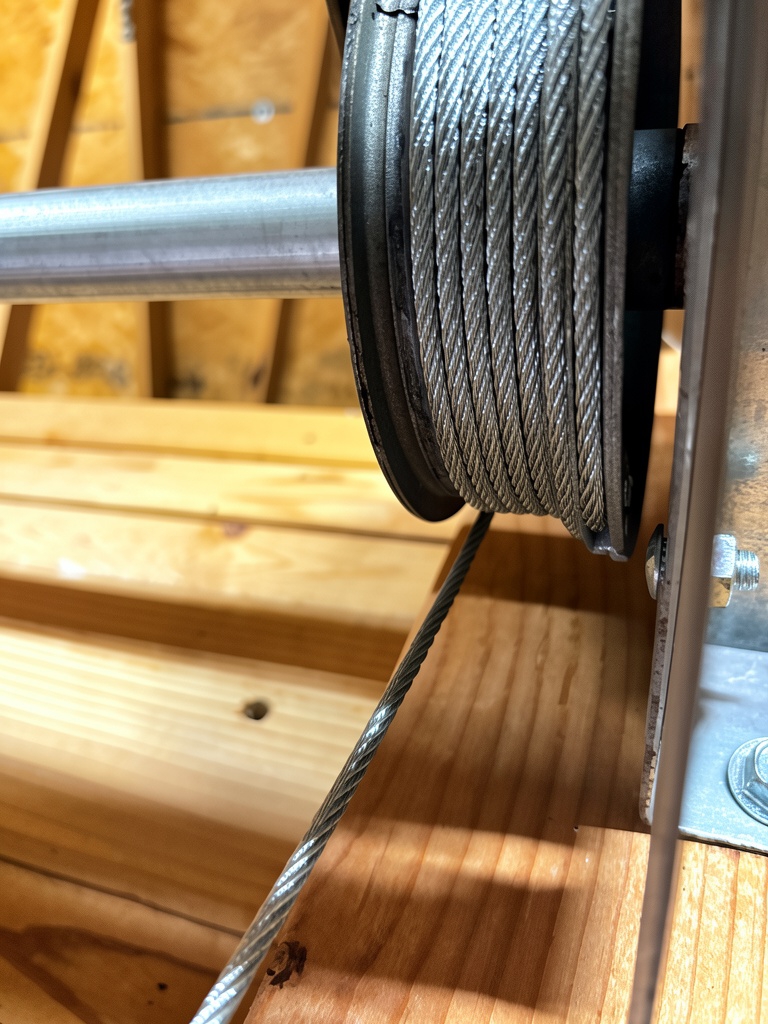
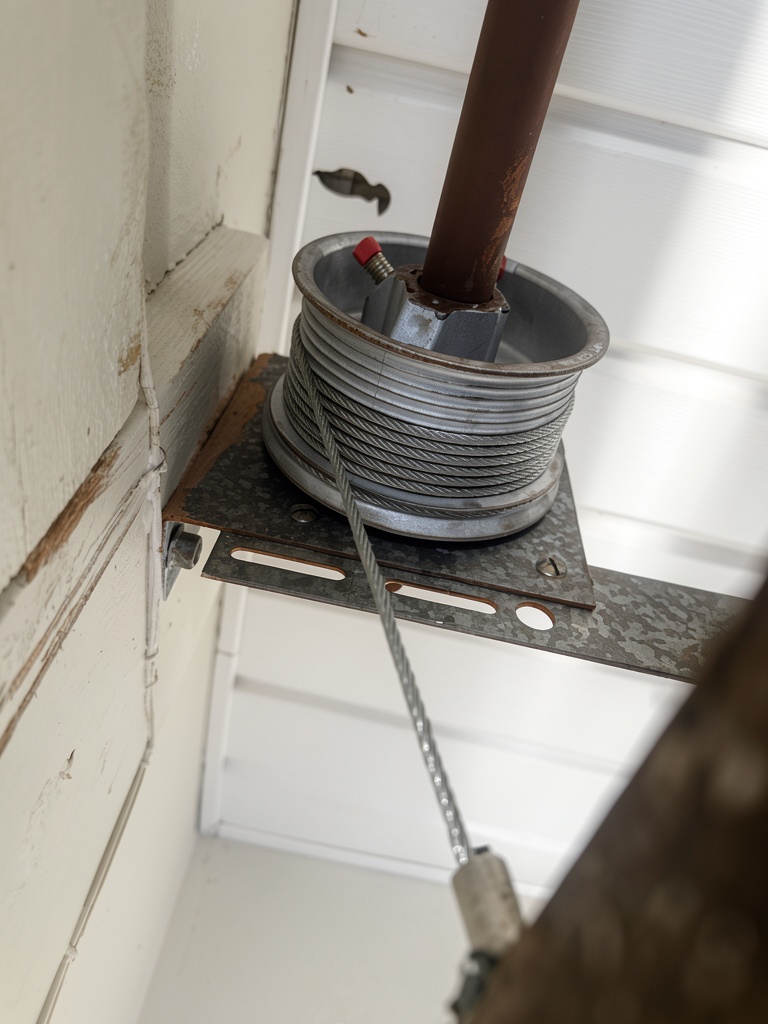
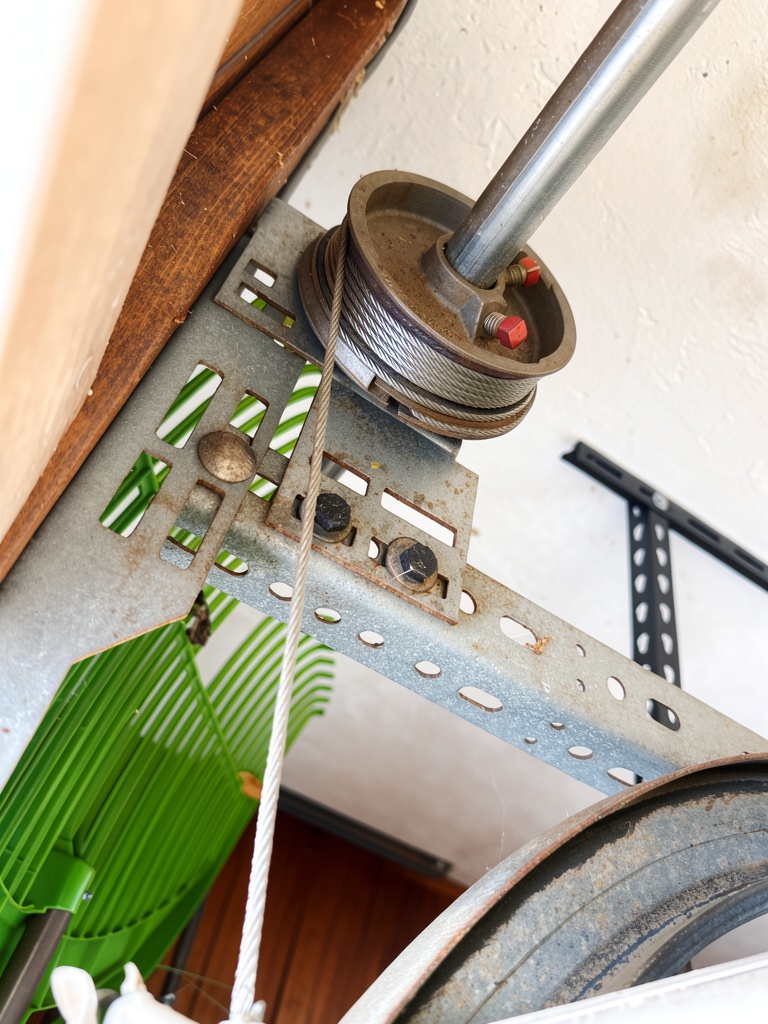
The safety cable is a galvanized steel aircraft cable that runs through the center of each extension spring and is securely anchored to the door’s frame.
During normal operation, the cable does nothing. It just sits there, minding its own business.
When a spring breaks, the cable immediately becomes a tether. It catches the broken pieces, keeps them contained, and prevents them from flying across your garage. The cable absorbs the kinetic energy of the snap and stops the failure from becoming a disaster.
A properly installed safety cable is made from galvanized carbon steel and engineered to handle thousands of pounds of force—exactly what’s needed to absorb that sudden shock without snapping itself.
Does My Garage Door Have Safety Cables?
If you have extension springs (the long coils mounted horizontally), you should have safety cables running through them. Here’s how to check:
1. Look at your springs: Do you see a cable passing through the center of each coil? If not, your door is missing a critical safety feature.
2. If your door uses torsion springs (mounted horizontally above the door opening on a metal shaft), they typically don’t require safety cables—the springs are attached to a fixed metal shaft and are not under the same flying-projectile risk.
3. Older homes or homes with older garage doors often don’t have safety cables installed. If that’s your situation, a retrofit safety cable kit is a relatively simple and affordable upgrade.
Signs Your Safety Cables Need Attention
Regular inspection can prevent problems. Check your safety cables every six months and look for:
– Fraying or broken strands – The cable is starting to fail.
– Rust or corrosion – Moisture is weakening the metal.
– Loose or detached ends – The cable won’t work if it’s not securely anchored.
– Missing cables entirely – You need a retrofit kit immediately.
If you spot any of these issues, don’t wait. A damaged or missing safety cable can’t protect you when a spring fails.
Can I Install or Replace Safety Cables Myself?
Installing safety cables is generally not a DIY job for most homeowners because:
– The springs are under extreme tension, and releasing that tension incorrectly can cause serious injury.
– The cables must be anchored properly to hold under thousands of pounds of force.
– Incorrect installation can lead to the cable failing when you need it most.
A trained professional can inspect your entire system, match the correct cable length and material, and ensure everything is installed safely and to code.
Frequently Asked Questions
Do all garage doors need safety cables?
No. Only garage doors with extension springs require safety cables. Torsion spring systems are built differently and typically don’t need them because the springs remain attached to a fixed metal shaft.
Why are safety cables required in some states?
Safety cables are mandatory in California and recommended everywhere else because they prevent serious injury and property damage when extension springs break under tension.
What happens if my safety cable is missing or broken?
It’s a serious safety risk. If an extension spring breaks without a safety cable, it can become a high-speed projectile that could injure someone or damage your property.
How often should I inspect my safety cables?
Every six months. Look for fraying, rust, or loose connections. Also check your springs while you’re at it.
Should I replace both safety cables if one fails?
Yes. Springs wear out at similar rates. If one cable is damaged, the other side likely isn’t far behind. Replacing both ensures balanced protection.
Final Thoughts: A Small Investment for Big Peace of Mind
Safety cables are a simple, mechanical feature—no sensors, no electronics, no complicated parts. But they provide a critical layer of protection for your family, your car, and your home.
If your garage door uses extension springs and doesn’t have safety cables installed, don’t wait for a spring to break. A retrofit kit is an affordable upgrade that can prevent a dangerous accident.
At All Garage Repair, we prioritize your safety. We can inspect your current setup, install new safety cables, or replace worn components—all with transparent pricing and professional care.
📞 Don’t wait for a snap. Contact us today for a safety inspection.
👉 Call now and make sure your garage door is protecting what matters most.
Author: All Garage Repair
June 11th 2026